Ahead of London Open Gardens 2026, we caught up with Tim Webb, Interim Director of London Parks & Gardens, the charity behind the annual event that opens some of the capital’s most beautiful and unexpected green spaces to the public.
From hidden gardens and rooftop oases to community growing spaces, London Open Gardens offers a rare opportunity to explore parts of London that are usually closed to visitors. We asked Tim about the origins of the initiative, why parks and gardens matter more than ever in a changing city, and what Londoners can look forward to in the 2026 edition.
The Green Londoner: What originally sparked the creation of London Parks and Gardens, and how has the mission evolved over time?
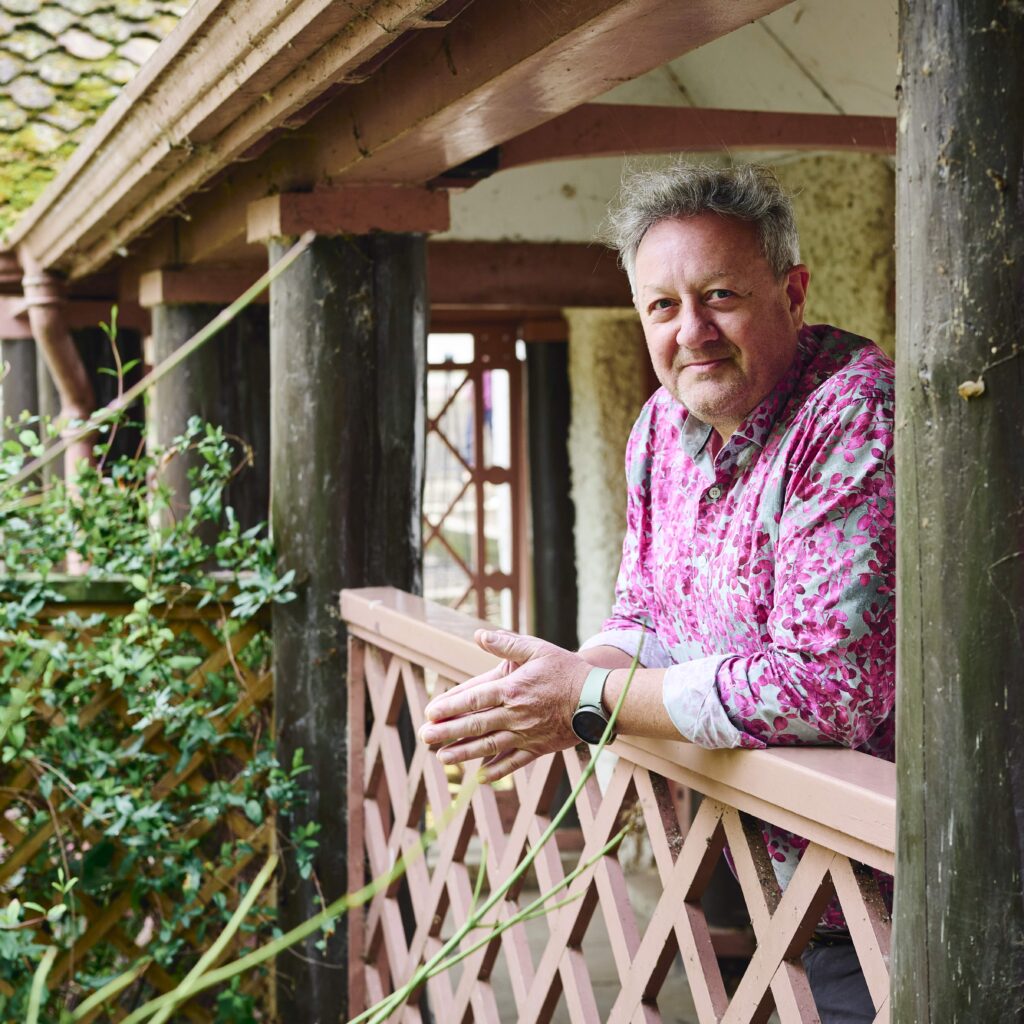
Tim Webb: The charity, London Parks & Gardens was established in the 1990’s as the first Metropolitan Garden Trust for the care and conservation of historic garden land. Out of this sprang our annual event, London Open Gardens as an opportunity to invite people into the many green spaces normally out of sight and mind.
Since then we have evolved and grown. While the central mission remains much the same, we now aim to grow people’s connections with nature in order to improve protection for the very same places. People protect what they love.
Traditionally much was made of the habitat and biodiversity of heritage or veteran parks. While this remains important we have increasingly come to realise these spaces hold very personal memories and values which are powerful motivators. Parks and gardens are part of the local character of London’s many communities. They reflect those communities through their planting, design, activities and uses. These days it’s less about us telling people why these spaces are important and more about capturing and sharing why they are important to and valued by others. They are our shared inheritance and responsibility.
TGL: In a city facing housing pressure, climate risks, and inequality, why do parks and gardens matter more than ever?
Tim Webb: There is ample evidence of the importance of access to quality green space to people for physical and mental well-being. These are spaces we should all feel free to use and enjoy, places where we should all be safe.
Too many green spaces feel unsafe or unloved – they are perceived as neglected – so they are not populated and used, adding to the problem.
Parks and public gardens are where we relax, meet friends, teach our children about risk, sharing with others, or just enjoying the seasons. It’s where people and nature connect. Each and every green space is unique, reflecting its communities and the people and events which shaped them.
Parks make London livable and with more than half of the capital’s land mass being green or blue, it is pretty unique across Europe if not the world.
If you look at a map of high incidents of Covid in London, it overlaps with areas of nature deprivation, ie areas where there is little green space. This crude comparison tells a bleak but powerful story of the value of access to parks and gardens. Another way of looking at it is through house prices. London’s most expensive properties are clustered around quality green spaces. This makes access to green space a health and equality imperative. Despite all this evidence, there are multiple planning threats to quality parks and gardens, reducing the spaces society needs for good health. There are lots of empty homes, buildings or building plots. Heritage and conservation groups like London Parks & Gardens are enablers of good development, NOT blockers. We support local planning teams and feed into development plans to maximise green space and enhance existing parks.
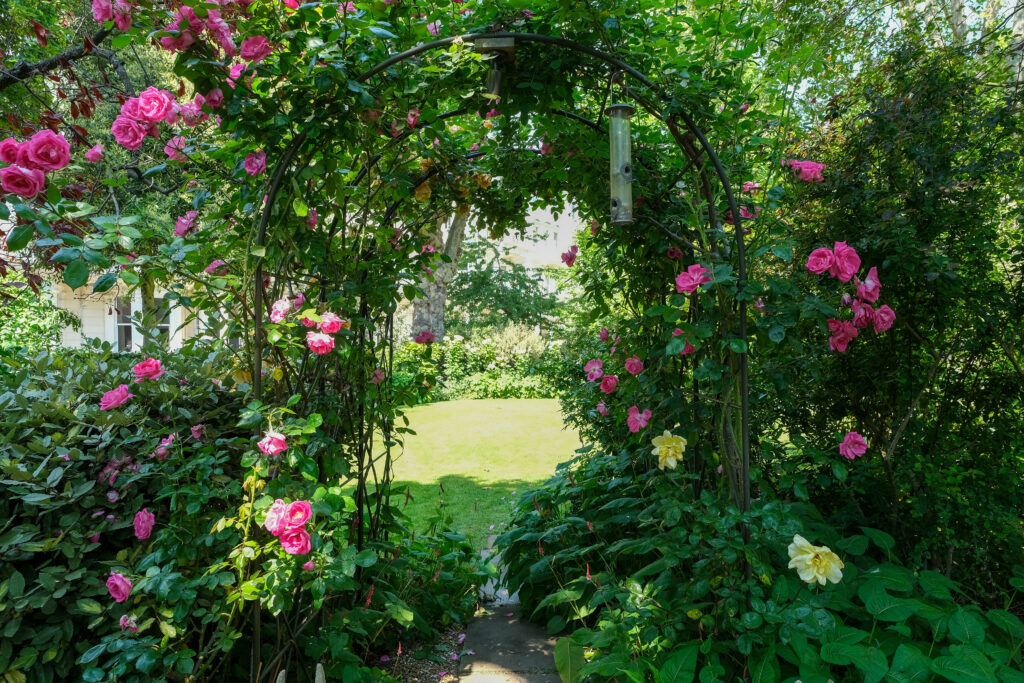
These public spaces are also our first line of defense in addressing the impacts of climate change. They help manage water to reduce flooding risk, scrub pollution, lock away carbon, manage our humidity and cool the city in hot spells.
Funding for parks and protection of green space have both suffered cuts in the last decade. We know that for every £1 spent on parks management, society enjoys a £27 return through health, well-being, social, environmental and climate benefits. We need to spend more on our parks to make them central to Londoners’ lives for a better, healthier and more equal society.
TGL: What makes Open Gardens different from “traditional” green spaces, and why is opening usually private or hidden gardens so powerful?
Tim Webb: London Open Gardens is our annual fundraising event, enabling us to deliver our planning work and different activities throughout the rest of the year. It demonstrates the quality, diversity and value of green spaces.
The relevance of opening places not normally accessible to the public makes it something money cannot buy and, by default, shows how we take access to the free green spaces around us for granted. Where places are cherished, they are cared for. If we were to cherish all green space equally, imagine what a different London we’d all experience.

TGL: How does Open Gardens help reconnect Londoners with nature — especially those who may not feel that green spaces are “for them”?
Tim Webb: London Open Gardens doesn’t just open gates to green space. It opens possibilities and opportunities. Green spaces are what we make them, and traditionally we have made them to fit a fairly narrow range of people. If you look at research on park users, it doesn’t fully reflect the diversity of Londoners. There is a noticeable lack of teenage girls in parks and of women at certain points in the day. People from some faith groups also feel excluded from many parks. A lot of this can be overcome by design and activities tailored for different people, from walking football sessions for more elderly visitors, better and more sociable seating for teenage girls alongside adaptable spaces for performance, art or just hanging out. Better lighting and toilets are important for a range of users.
Visiting quality green spaces like those showcased during London Open Gardens opens minds to what’s possible when people interact with nature, use space in new ways and incorporate clever design elements. Parks are for everyone, but perhaps not everyone has yet found the right park for them.
TGL: Parks and gardens play a crucial role in climate adaptation (heat, flooding, biodiversity). How can London green further and better — through green roofs, walls, streets, and other solutions? Are there cities you think London should learn from?
Tim Webb: London is a world class city with more green space than many others. We can learn from places like Barcelona, Paris, Berlin, even the favelas of Rio where they have made them more people and nature friendly. Opening-up spaces and creating new ones where people are centre stage and plants add resilience against the impacts of climate change are what sets these places and London apart.
Green roofs, living walls, green corridors and pocket parks add to and link bigger parks and gardens to create a lacework of attractive places we can all enjoy.
TGL: Is there a particular garden — or moment during Open Gardens — that stayed with you or changed how you see London?
Tim Webb: The stories from London Open Gardens are endless but perhaps one overriding comment I am proud of comes from an adult visitor who doesn’t live in the capital. They said London Open Gardens changed their perception of London. They’d always perceived it as a dirty, hot, uninviting and unwelcome place full of busy people in a rush and ignoring each other. Having spent the weekend enjoying and experiencing its gardens and parks, they found just the opposite.
TGL: Looking ahead to Open Gardens 2026, what are you most excited about? Are there any new directions or themes you’re keen to explore — and any gardens you think Londoners should absolutely visit?
Tim Webb: I’m excited for every London Open Garden weekend. They always have something fresh and unexpected to explore. This is completely personal so will be very different for others. I’d recommend using our Garden Finder to explore the sites or themes personal to your preferences. Having said that, throw in some unknowns to your itinerary as all have some surprises for visitors.
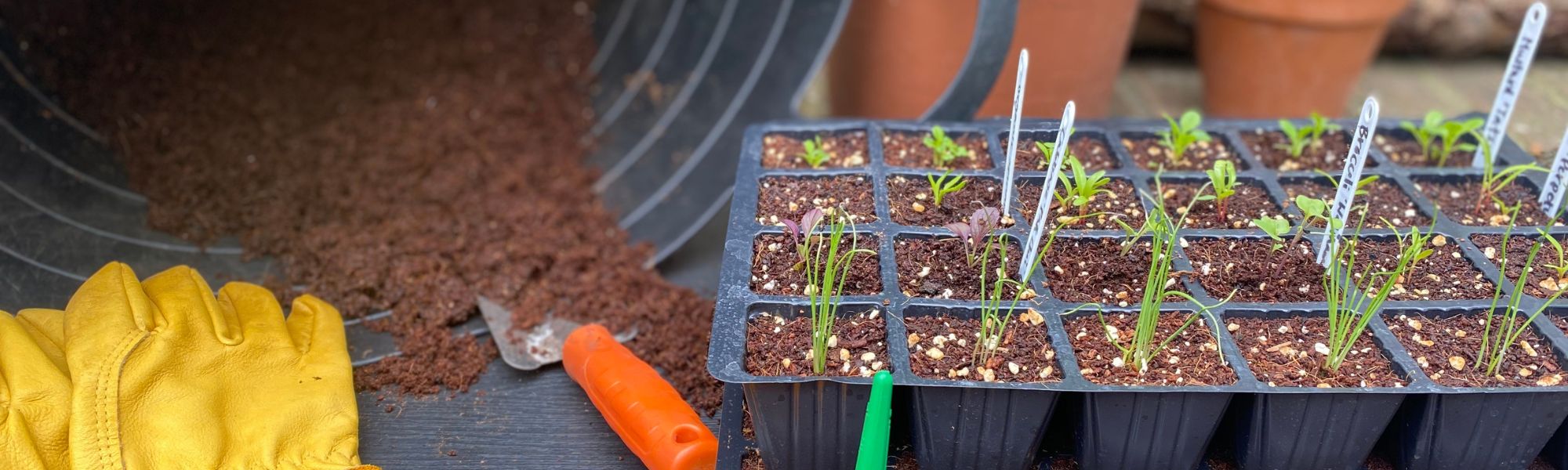
You asked specifically what’s exciting me in 2026. We have our first ever floating garden on a barge behind Kings Cross station. There are some great rooftop spaces, formal squares and examples of what you picture in your mind when you think of a formal urban English Garden. We also have the community gardens where you’ll find people passionate about their space, nurturing seedlings and tending to veg patches in no-fuss working green spaces. For me, it’s the contrast and diversity of what’s available to visit – truly a reflection of London and Londoners.
TGL: So much of this relies on people giving their time. What motivates volunteers, and how can more Londoners get involved? And practically speaking, what’s the best way for people to get tickets and make the most of Open Gardens?
Tim Webb: We could not deliver this without our amazing volunteers. We always need helpers to welcome and look after visitors over the weekend and our volunteers, who work in shifts, get free tickets to enjoy all the gardens they can visit over the weekend outside of their chosen location and shift. It’s a great way to meet new people, enjoy London and discover new places. Our capital is a rich storybook of people, events and places telling stories from pre-Roman Londinium through to modern life all visible and waiting to be discovered through its parks and gardens.
Tickets are on sale now through our website and via Eventbrite.
TGL: What should local authorities and city leaders do differently to better protect, fund, and expand London’s green spaces?
Tim Webb: We’re working on this right now and aim to find ways to improve the use of data by local authorities from our archives on London’s green space history and natural heritage. Imagine being able to map this information alongside habitat, biodiversity, public health, transport and social data to inform planning and development. Working in partnership with people and communities we could ensure we build quality homes and infrastructure where it’s needed while enhancing and protecting the very things that make areas unique, attractive and valued.
At the moment it’s a very disjointed affair with politicians running on short four-year election cycles. Creating a great city with equality of access requires coordinated, long term planning, maintenance and cultivation. We can help deliver some of the stability and continuity necessary to realise this vision, backed by research and expertise of the history and cultures which make London a great place to live, work and visit.
TGL: If you could ask one thing of Londoners when it comes to parks, gardens, and nature in the city, what would it be?
Tim Webb: To love them.