Ash Goddard, founder of Climate Clarity and organiser of the first Freskival, which begins this Thursday, spoke to The Green Londoner about the Climate Fresk tool, how he transformed climate education into his guiding principle, and how it compares to martial arts.
The Green Londoner: Tell us a bit about Climate Clarity. What inspired you to start it, and what’s your mission?
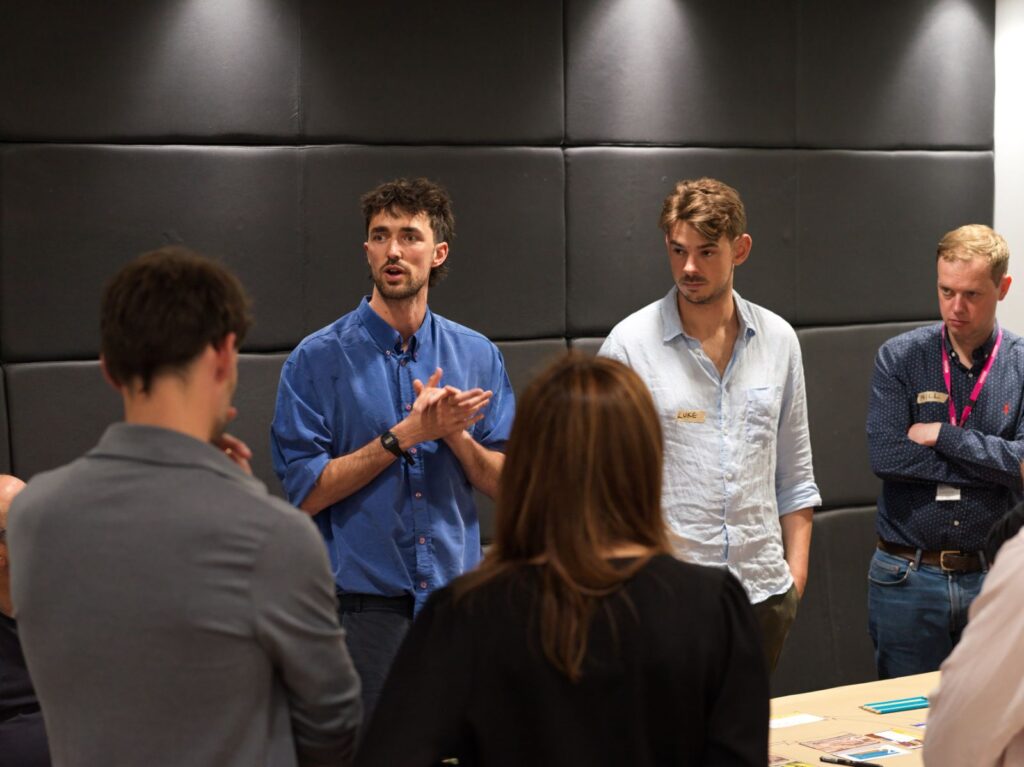
Ash Goddard: I started as a climate activist with a passion for facilitating groups. When I discovered the “Climate Fresk” method, it took me on a journey I didn’t expect, including six weeks in Glasgow during COP26, where I met many inspiring “Freskers” (people who facilitate Climate Fresk) from France.
COP26 was a turning point for me. Seeing the largest COP event to date, with a strong climate justice movement driven by civil society groups, left me inspired and supported. I realised that these workshops had real value beyond being just a passion project. That’s when I knew I had found a sustainable form of climate activism. I reached out to other activists-turned-facilitators, and we formed a non-profit collective.
Fast forward three years, and my mission is to deliver impactful workshops to as many decision-makers and aspiring change-makers as possible. My specific goal is to help spread existing tools from France into the English-speaking world and beyond.
The Freskival is a key part of this, bringing lesser-known workshops and great facilitators into contact with professionals eager to learn more.

The Freskival is an exciting idea! Could you explain what a ‘Climate Fresk’ is and how it engages people differently from traditional environmental activities?
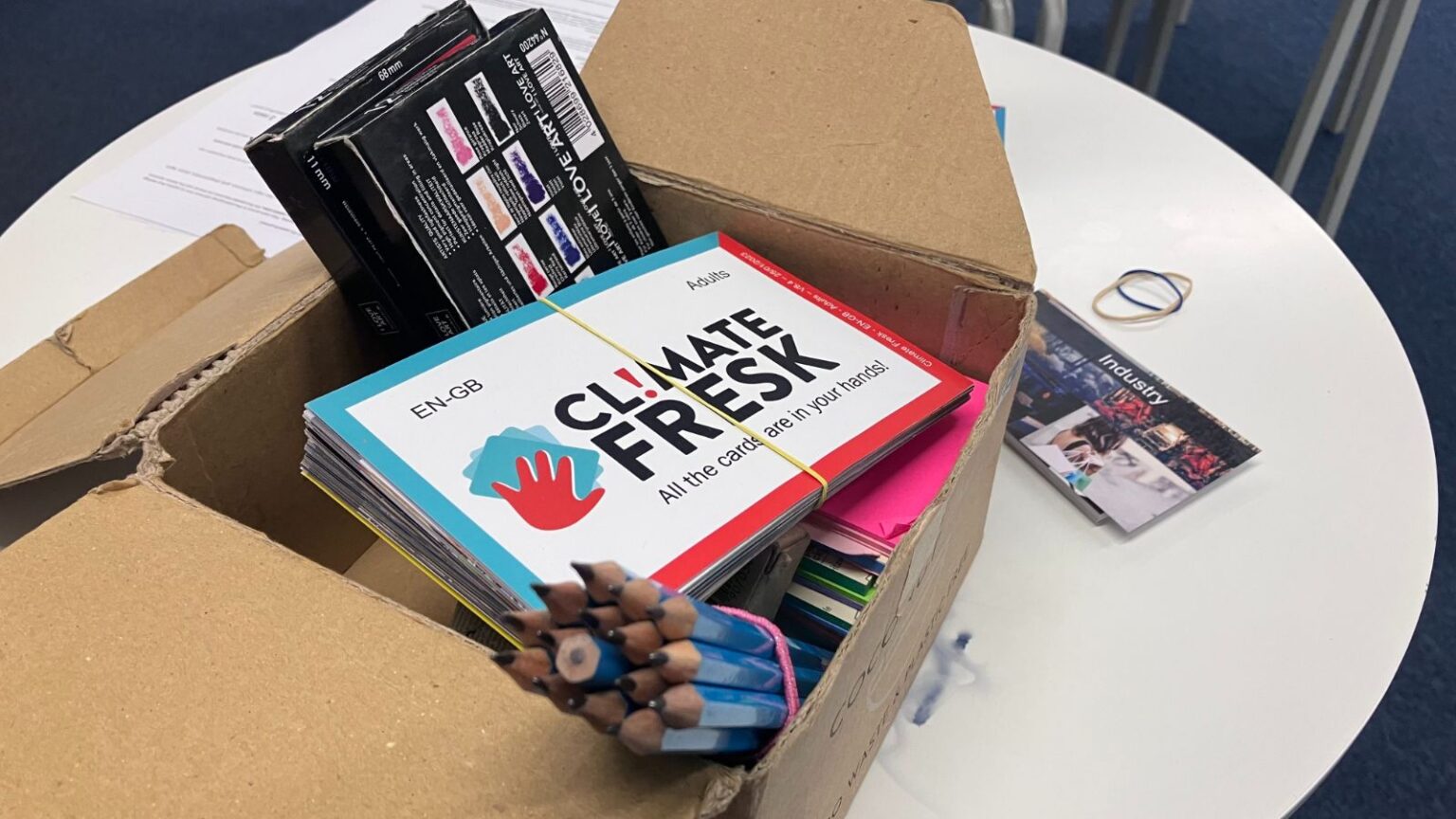
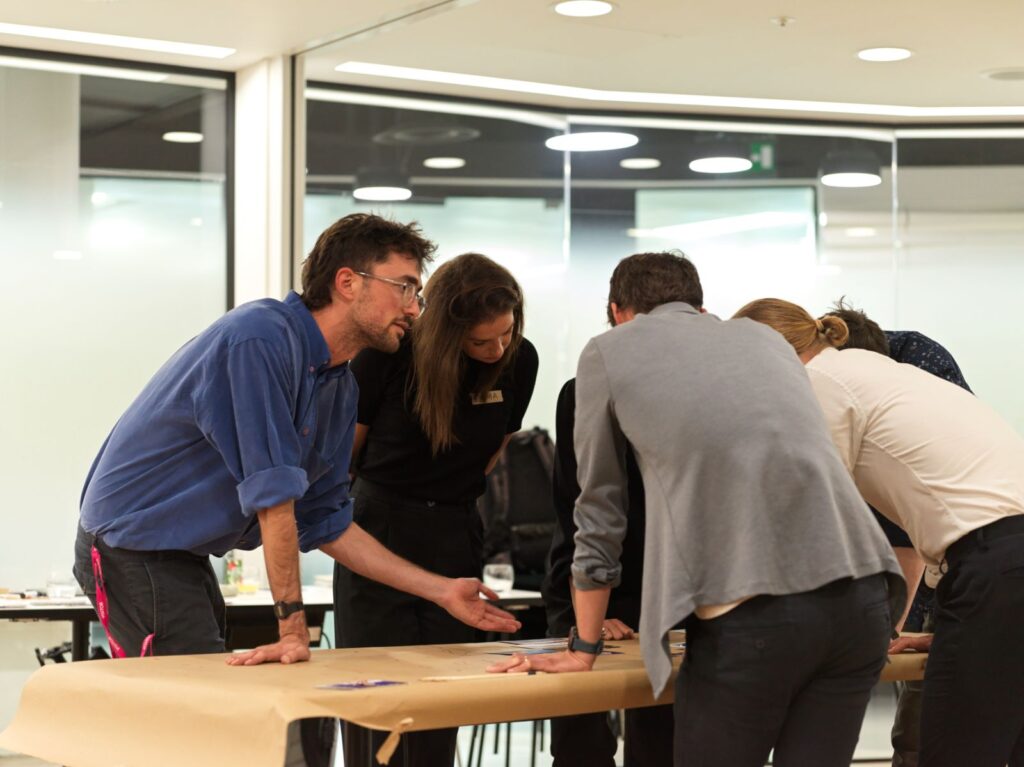
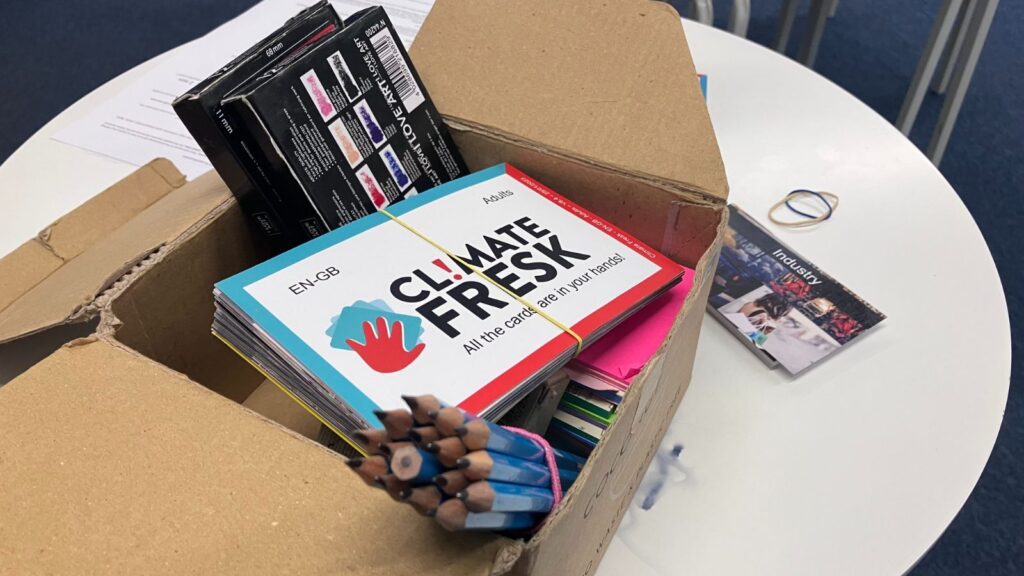
Climate Fresk is an interactive workshop designed to rapidly build participants’ knowledge and understanding of climate change through collective intelligence. We often call it a “serious game.” Facilitators help the group break down the complexity of climate change into something simple and clear.
For example, in the biodiversity collage, we simplify the complex relationships between humans and nature by creating a framework that explains dependencies and impacts. The story is told in six steps to help participants grasp the key points of the nature-loss crisis.
Traditional environmental activities are often top-down, whereas Climate Fresk is dynamic and participatory, encouraging everyone to see they hold a piece of the puzzle. It’s engaging, accessible to all, and doesn’t require prior knowledge.
Today, we have 85,000 facilitators worldwide, with 2,500 in the UK.
Can you explain the belt system for Climate Fresk facilitators? Since you hold the highest level (blue), do we need to approach fighting climate change like a martial art?
After a Climate Fresk workshop, participants are invited to become facilitators by attending a ‘facilitator training’ session. The belt system works like this:
- White belt: Complete the training and start facilitating workshops.
- Yellow belt: After your first workshop, you earn this belt, confirming your status as a facilitator.
- Orange belt: Earned after delivering 10 workshops, making you an experienced facilitator.
- Green belt: Requires accreditation and peer review to train new facilitators.
- Blue belt: After running 20 training sessions, you can apply for the blue belt, which involves further evaluation, interviews, and contributing to the facilitator community.
As for martial arts, fighting metaphors can be useful in climate action, but I see climate change as something deeply connected to our human systems. Maybe Tai chi, with its focus on flow and balance, would be better, but we need to use all the tools at our disposal—so maybe MMA is the answer! I’d love to see Conor McGregor identify as a climate activist!
What do you hope people will take away from the Freskival? Any personal stories of impact from past participants?
I hope people will be inspired by the facilitators, make new connections, and leave with a deeper understanding of sustainability—not just climate change. I also hope they ask us to run more workshops or even learn to deliver them themselves.
As for impact, we don’t always hear the full story, but I know of people who have changed careers, launched new products, or even companies that have reworked policies after attending. Freskival will be life-changing for many, myself included.
Climate issues can be overwhelming. How do Climate Clarity and Climate Fresk make these conversations more accessible and actionable?
We make conversations accessible by treating ourselves as equals. We learn as much from the participants as they do from us. As a facilitator, I prefer to reflect questions back to the group because the knowledge is often already there. This makes the learning experience more meaningful than the traditional top-down approach.
Our workshops also teach systems thinking, which is essential for understanding complex issues like climate change. Check out workshops like ‘Planetary Boundaries Fresk,’ ‘Designing Our Low Carbon Lives,’ or ‘Adapting To Climate Change’ to develop these skills.
If you could challenge people to do one small, fun action after the Freskival, what would it be?
Apart from helping us organise the next Freskival? I’d recommend attending a talk at Kairos. It’s a great place to have a good meal, hear from inspiring speakers, and discuss social change.
Or, for something at home, download the app “Yuka” and scan some items in your fridge or bathroom. It gives you insight into the products you buy and recommends easy swaps.
There are still a few places available for the Freskival. Details and links below: