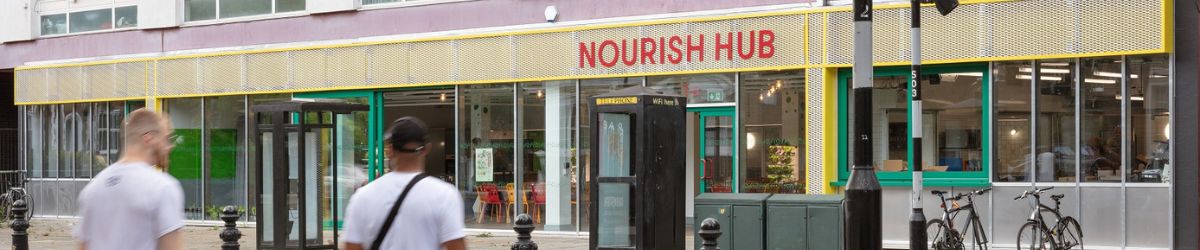
We sat down at Nourish Hub with chef Kate—a former barrister turned community-minded chef and nutrition specialist. From courtroom to kitchen, her path into food has been anything but conventional. We talked pivot, purpose, and practical ways Londoners can eat well, waste less, and take action together. Questions by Gautier Houel, The Green Londoner.
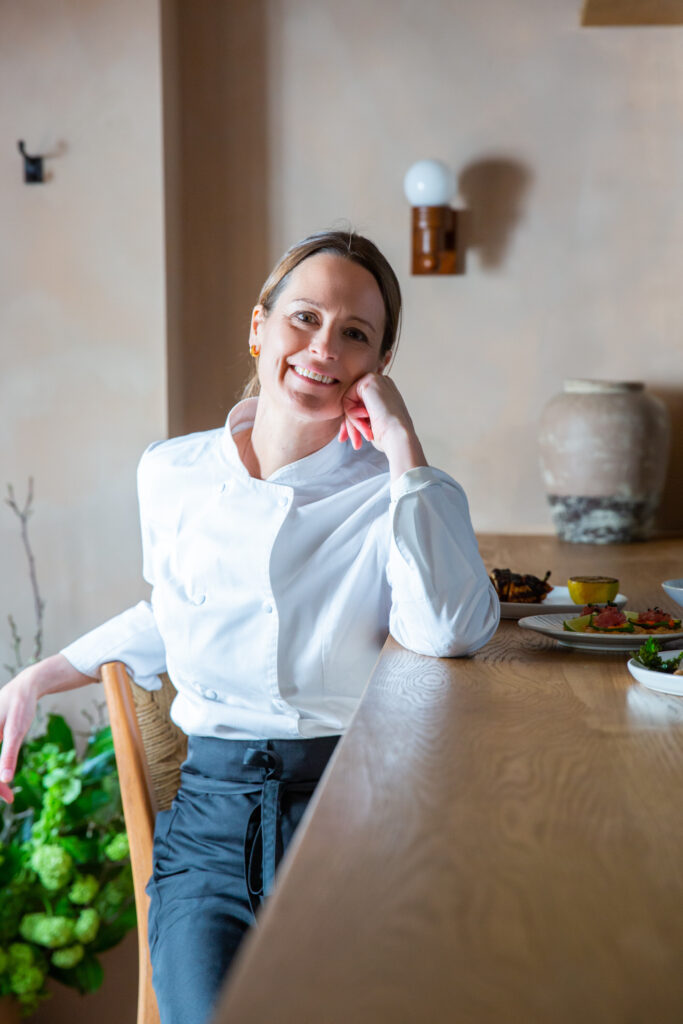
TGL: You were a barrister not long ago, then pivoted into cooking, nutrition and writing. What sparked the change—and how has food shown up in your life along the way?
Kate: Food has always been the lens through which I experience and remember life best. I often forget what a place looked like but I remember what we ate and how it made me feel, and with that comes the memory of the people I was with and the conversations we had.
I loved being a barrister but I kept imagining the restaurants I might open one day, or the food products I wished I had in my own kitchen to make quick but healthy meals after a long day in court.
After nearly twenty years at the Bar and a long stretch on the Post Office Inquiry, there was a natural pause. I signed up for the Nutrition in Culinary Practice course at Leiths School of Food and Wine to see if I really wanted to make the leap. I took it and never looked back.
I traded wig for whites and then spent time working out where that would lead me. I had some exhilarating experiences cooking in restaurants before realising restaurant life and hours were not for me.
I wanted to find the same sense of purpose I had in my legal work and I found that at Nourish Hub. Cooking with surplus food has connected me to the environmental impact of food systems and shown me how food can nourish health and build community at the same time. This has led to my current role with Ample, a start up where I’m developing delicious plant-based meal elements for schools and hospital from surplus
TGL: You volunteer weekly at Nourish Hub in Hammersmith & Fulham, turning surplus food into meals and leading food education classes. As a chef rooted in H&F, why does cooking for the community matter to you—and what moments there have stayed with you?
Kate: I have lived in Hammersmith and Fulham for more than twenty years. It is a place I love and call home, but it is also a borough of contrasts, with deep disparities of wealth, opportunity and access to good food. Nourish Hub feels like a place that bridges those gaps, where people from all walks of life sit together and share a meal.
A few years ago, when I was changing careers, I read Ravenous by Henry Dimbleby and it spurred me into action. It completely changed the way I ate, what I fed my children and what I prioritised in my career. Early in my food career I worked at a manufacturer where three tonnes of hummus were thrown away in a single day, and I could see how urgent the problem of food waste really was. Cooking at Nourish Hub allows me to give back to my community while helping to reduce waste, and it gives me joy to see familiar faces return each week.
Some of the moments that have stayed with me are the people. I have made friends with Kayleigh, a fellow volunteer whose life has been transformed by the Hub. Then there are the regular guests like William, the young boy who told me he was being bullied and lit up when I told him he had done the right thing by speaking up, and Catherine, an elderly resident who now comes back every week and who I look forward to seeing. These moments remind me that what we do is about more than food. It is about connection and the simple pleasure of sitting down together to eat.
TGL: What were the biggest skills or mindsets you took from Leiths and your early kitchen experiences that still guide your cooking today?
Kate: I have always been an intuitive cook and love nothing better than a Ready Steady Cook-style challenge of turning an onion, a carrot and a tin of beans into a decent dinner. Leiths taught me to plan and be more systematic, which is essential when cooking professionally. I still like to throw things together, but planning means I waste less and get more out of the food I use. It has also been invaluable for the recipe development work I do now.
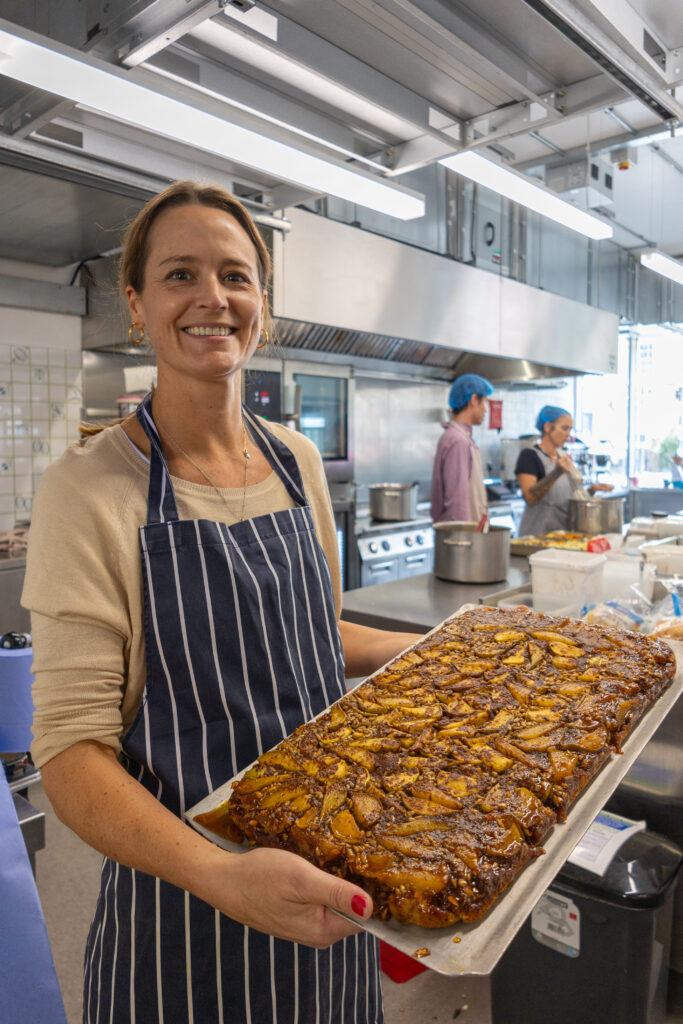
My early kitchen experiences taught me how to work under pressure and think about process. At Forza at the National, head chef Michael Lavery shared his theory of “corners.” He referenced the film Cool Runnings and told me that every corner carries a cost, so don’t cut them but don’t create them either. His kitchen serves 200 people from a tiny space so every step has to earn its place. One of my favourite examples of this is their dessert, the Custardo. It is nothing more than a shot of espresso with custard, but it is delicious and genius. The custard is made before service and kept warm in flasks on the bar, where the coffees are made. It is simple and clever and it means they can offer this and other well thought through desserts without needing a pastry section.
TGL: You’ve cooked in restaurants (including River Café–style kitchens during training) and now for families, retreats and clients with specific health needs. How is that work different from restaurant service—and what have you learned about making “healthy” feel joyful and accessible?
Kate: Restaurants are all heat, speed and adrenaline with eight-hour shifts during which you barely stop. The food tastes great but nutrition is not high on the agenda. Flavour is amped up with salt or butter and meat features heavily. Waste is often an afterthought unless it’s eating into margins.
Cooking for retreats and families has its own intensity but it is more like a marathon than a sprint. On retreats, the kitchen is part of the communal space. Guests are up early for yoga and looking for healthy breakfasts, colourful plant-based lunches and comforting dinners that work for everyone’s dietary needs. After several days the guests often become friends and I often become a confidante and counsellor as well as chef. This time of year I’ll cook Sri Lankan-style curries with lentils, coconut milk and ginger, roasted squash with kale and seed-studded salads, tangy dressings and hearty tomato soups with harissa and chickpeas.
What I have learned is that being around food as it is cooked is transformational. When people can see and smell food being prepared, their anticipation and appetite grow. It is the same with children, I have yet to meet one for my students who has not eaten something they helped make. Healthy food does not have to be complicated or expensive. I believe anyone can make something joyful and nourishing in twenty minutes with one pan and one stove — food education is a huge part of that.
TGL: You spent six months deep-diving into Japanese cuisine. What did you bring back to your London kitchen?
Kate: Spending six months immersed in Japanese cooking was a revelation. I learnt how to cook Washoku style, the traditional cuisine that emphasises harmony on the plate and with nature. It is a centuries-old eating philosophy that celebrates seasonal ingredients and balance, much of which has been lost in modern eating. That approach has shaped how I cook at home, from using seasonal produce to thinking about flavour, colour and texture together.
TGL: What are your go-to tricks for turning surplus or “wonky” ingredients into something special? Any freezer, batch-cook or lunchbox hacks we can all steal?
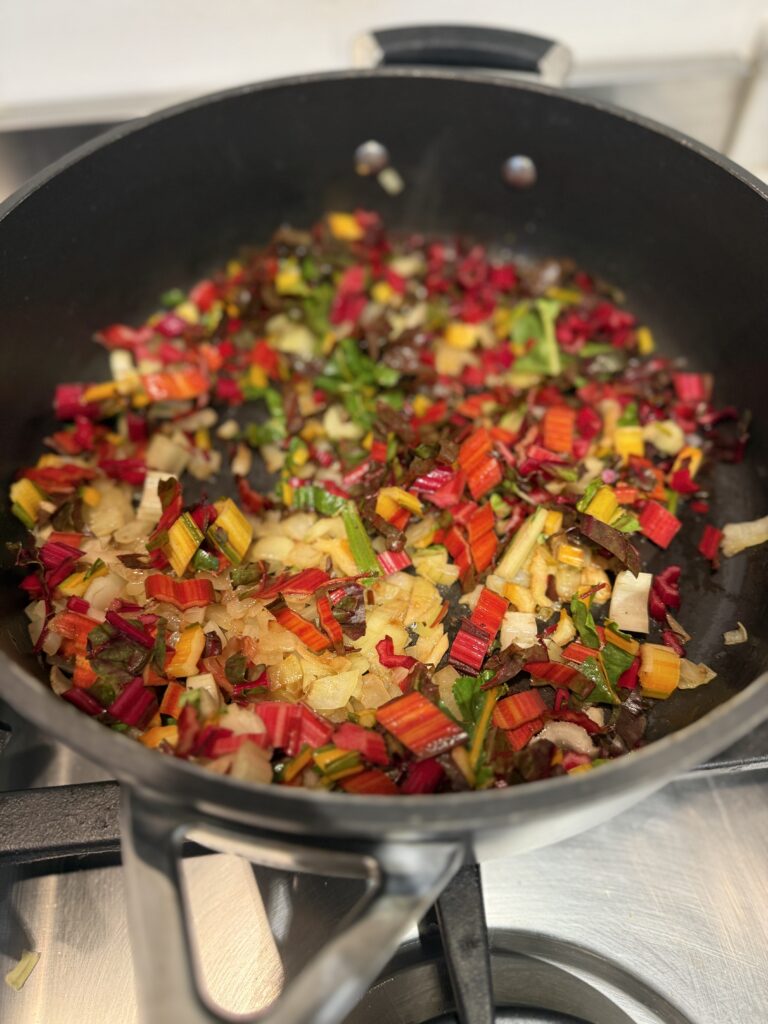
Kate: Soups are one of my favourite ways to use up surplus vegetables, especially at this time of year. I start by sweating onions and garlic gently for about twenty minutes until they are sweet and soft. Then I add whatever vegetables I have, top with stock, cook until tender and blend.
Roasting is another great option. Toss vegetables with a little oil and salt, roast until caramelised, and then add a simple dressing. My go-to is three parts oil to one part vinegar, seasoned with mustard, salt and a little honey.
Wilted herbs can be turned into pesto by blitzing them with olive oil, a splash of vinegar, seeds or nuts and parmesan or nutritional yeast. Toss it through roasted veg, eat with chicken, or add a tin of beans and you have an instant, protein-rich meal.
Soups, roast veg and pesto all freeze brilliantly. Bulk them up into batch quantities with cooked lentils and beans and you’ve got meals sorted for a week.
TGL: We’re exploring co-hosted workshops between now and the festive season. What could we offer that blends community, nutrition and sustainability—give us 2–3 ideas (themes, audiences, outcomes)?
Kate: I would love to run a Beans Workshop. Beans are one of the most nutritious and sustainable foods we can eat. They are good for us and good for the soil, as they put nitrogen back into it when growing. We could invite participants to bring a favourite bean recipe to share, swap ideas and talk about why beans matter for health and sustainability. I could then teach a few simple dishes, like herby beans with leeks and a tangy salsa verde or pesto, to show just how versatile and delicious they can be.
Another great option would be a Food Waste Workshop. We could focus on what to make with odds and ends in the fridge, how to turn peelings into stock, and how to blitz wilted herbs into pesto and easy recipes to use up left-overs. We would also cover what use-by dates really mean and how to trust your senses when deciding whether food is still good to eat. The aim would be to build confidence in the kitchen, reduce waste and make everyday cooking more creative.
For the festive season, a Christmas Special Workshop would be perfect. We could make edible gifts, such as gingerbreads or spiced nuts, while sharing recipes on keeping costs down and reducing waste over Christmas. The focus would be on enjoying food and sharing it, without the stress or overspend that so often comes with the season.
TGL: If a reader does one small thing this week to eat better for themselves and the planet, what should it be?
Kate: ‘Shop’ from your cupboard, fridge or freezer before you buy anything new. Challenge yourself to make a meal from what you already have at home. It is one of the first things we teach when talking about budget planning, and it is amazing how often a good meal is already sitting in your kitchen.
The other night I used up some tomatoes going squishy by blitzing them with garlic and then reducing them down to a passata. I stirred a tin of beans into this and made some coriander pesto from herbs on the turn, blitzing them with olive oil, apple cider vinegar and some pine nuts that had been open for a while. I found some bread in the freezer and created home made beans on toast with a pesto for 4 of us. It took only tood 30 minutes and saved a trip to the shops and some money too.
Quick-fire
- Favourite comfort dish at home?
Hijiki rice: sticky rice cooked in dashi with mushrooms, carrot, edamame and hijiki seaweed. It is simple, nourishing and perfect for eating from a bowl in front of the TV on a Sunday night.
- Dessert you’ll never skip?
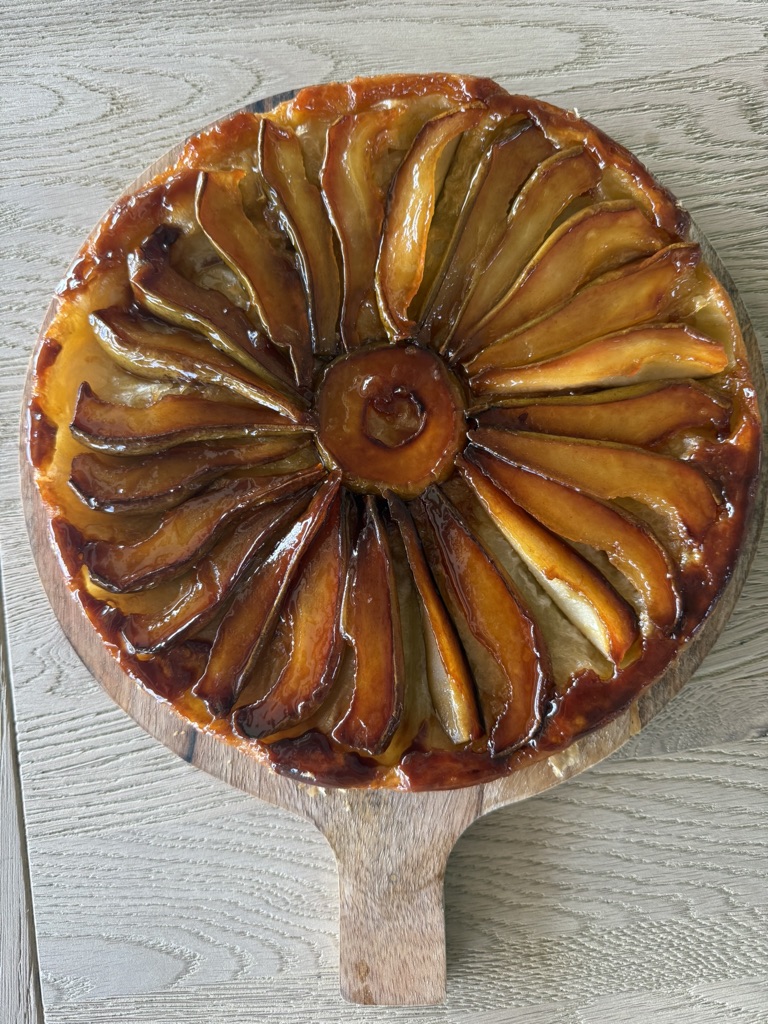
Anything fruit based. Peaches roasted with a splash of mirin and sake and a little butter, which turn into their own caramel with a big spoon of yoghurt. Or a tarte Tatin (see photo), I did a pear one last weekend I was very proud of!
- Three pantry staples you always keep?
Soy sauce, mirin and rice wine vinegar. With those three you can make a version of almost every classic Japanese dish.
- One £10 meal to feed four?
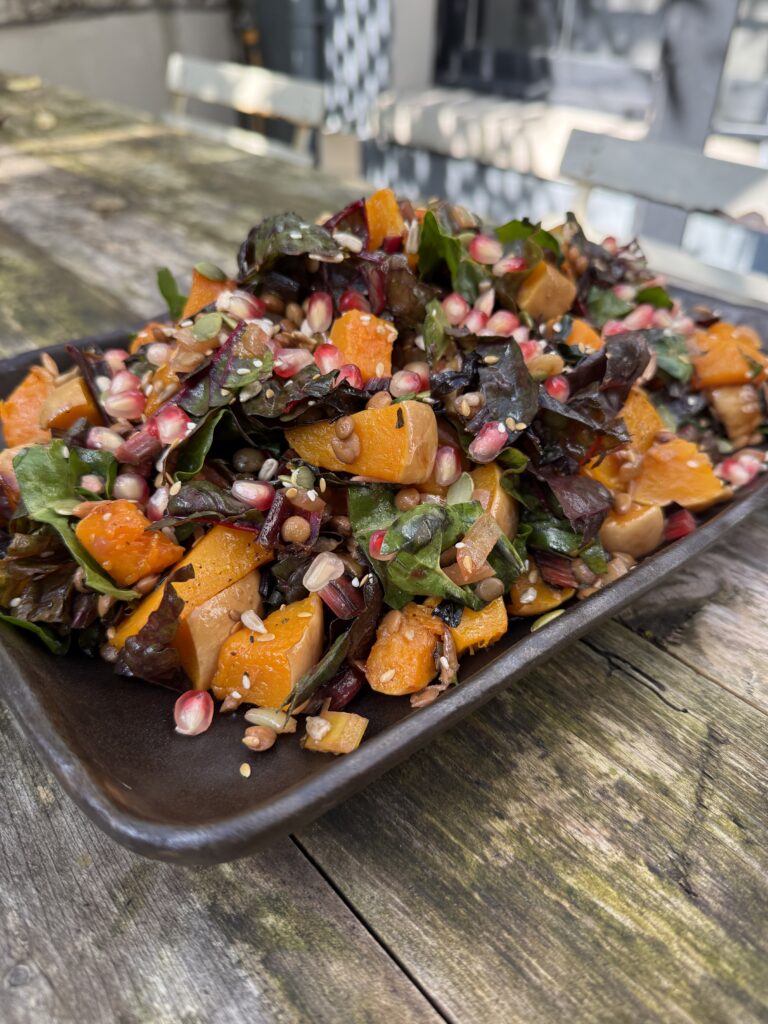
Roasted butternut, chard, green bean and lentil warm salad. It is quick, comforting, a perfect transition dish into autumn and can be on the table in under half an hour. I do it with a tangy apple cider dressing.
- Most underrated British seasonal ingredient?
Gooseberries. I grew up on a fruit farm with gooseberry bushes and still mourn their disappearance from shelves. Picked perfectly ripe and warm from the sun, they are like nothing else, a perfect balance of sweetness and acidity, the pop of the skin and the crunch of the seeds inside. Sadly, the ones we buy now are often bullet hard and so tart they make your mouth dry up.
- Kitchen soundtrack: silence, podcast or music?
My kitchen soundtrack is seasonal like the food I cook! In winter I love classic jazz and rich voices like Nina Simone, Al Bowlly or Leonard Cohen, they suit the pace of stews and slow cooking. In summer it is all about funk and upbeat tracks to go with the fresh and vibrant ingredients.
Bio
Kate spent nearly two decades as a barrister in criminal and public law, including work on the Grenfell and Post Office Inquiries, while also writing legal commentary for national publications. A lifelong love of food and its power to nourish, heal and connect led her to retrain at Leiths School of Food and Wine, completing the Diploma and a BTEC in Nutrition in Culinary Practice. Since training as a chef she has worked freelance across food development, nutrition consultancy, private dining and retreat cooking. She now works with Ample as Head of Food, designing plant-based meals from surplus food for the public sector, while continuing to cook at Nourish Hub using surplus food and leading food education classes. Her interests span gut health, family cooking and food system sustainability, shaped by her early years growing up on a fruit farm.