Exotic fruits, coastal cocktails, and pollinator corridors — how one hotel turns sustainability into an experience.
For many Londoners, leaving the city for a few days is essential — not just to escape crowded streets or noisy neighbours, but to recharge our green batteries. At The Green Londoner, we look for places that don’t just promise simplicity, but also inspire sustainable living.
That’s what drew us to THE PIG-in the South Downs in West Sussex, nestled near Arundel in the South Downs National Park. What we found wasn’t just a countryside retreat, but a working model of how hotels can weave together hospitality, local food, and biodiversity.
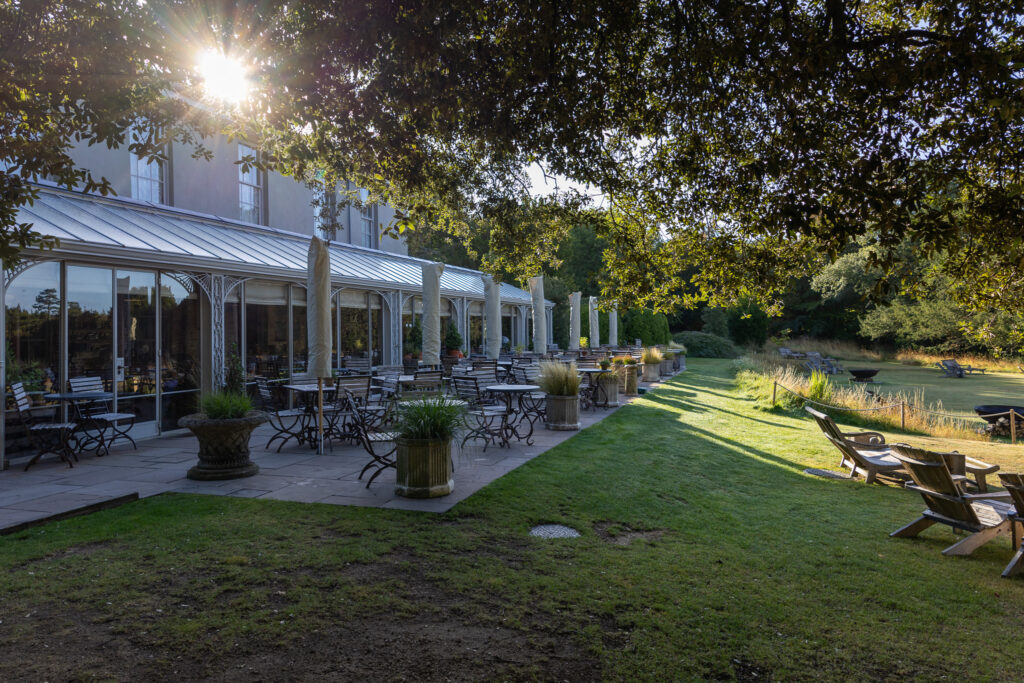
The PIG Story
THE PIG group runs 9 hotels and one pub (with more on the way) across England, from Kent to Cornwall. Each is unique, but they all share one philosophy:
“We grow what we can, we source what we can’t — but always as close as possible.”
At THE PIG-in the South Downs, this ethos is tangible. The kitchen garden dictates what’s on the menu and even inspires cocktails and décor.
The Three Pillars of Sustainability
A few days later, in conversation with Kate Harvey, THE PIG’s Group Sustainability Manager, their approach became clear:
1. Sourcing Responsibly
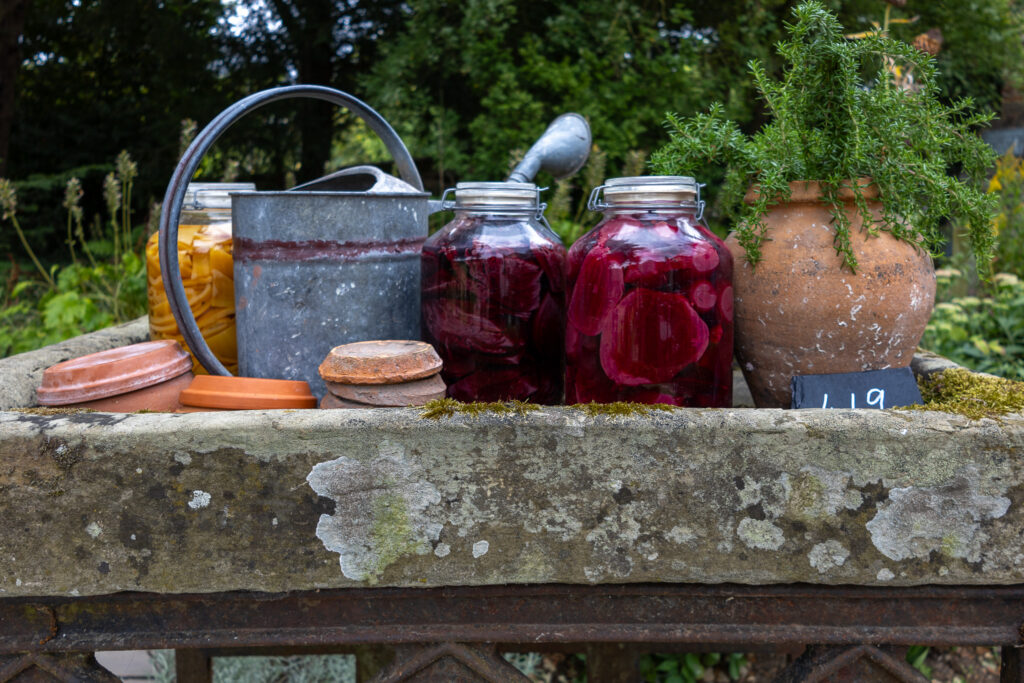
At each PIG, the garden isn’t a sideshow — it’s the main act. Fruit, veg, eggs, herbs, mushrooms: whatever the soil and season allow. Anything else comes from within 25 miles. Surplus? It gets bottled, pickled, or poured — a Coastal Negroni infused with seaside herbs, for example. Even the partnerships feel personal: direct trade coffee from Cornwall’s Origin, cocoa linked to reforestation, and a quiet but firm “no” to palm oil.
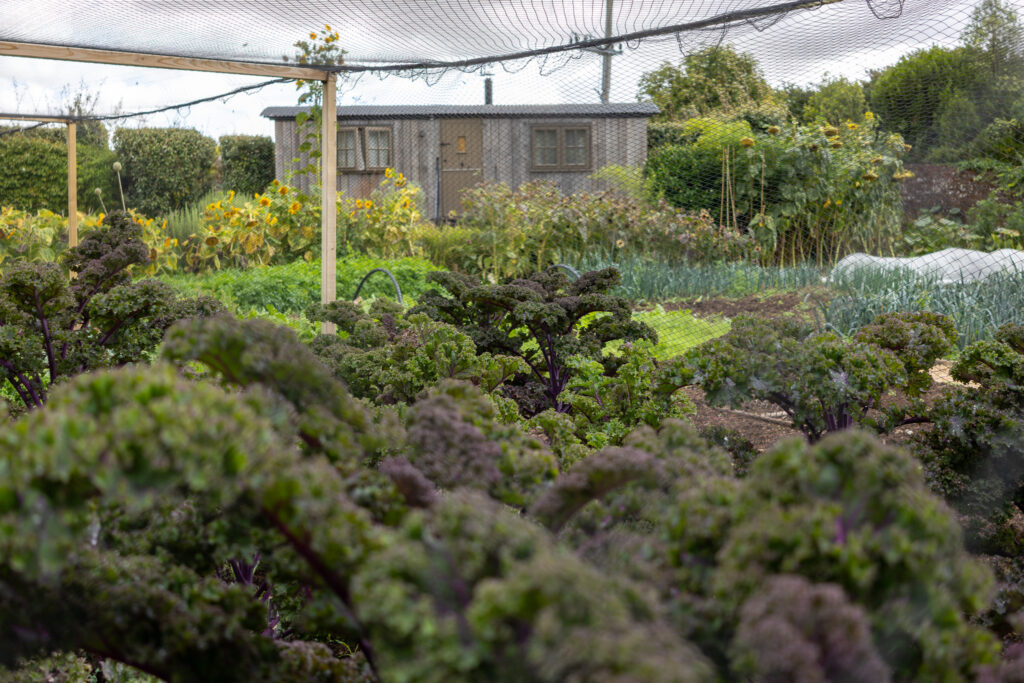
2. Supporting Society
Staff training isn’t just a tick-box — it’s “PIG Pathways,” a chance to grow a career. Everyone gets three paid days a year to volunteer, whether planting trees or helping at food banks. Each hotel pairs with a local cause — at South Downs, it’s The South Downs National Park Trust, specifically their Beelines Project. Wider afield, they support Hospitality Action and Action Against Hunger. The thread that runs through it all? Care for people, as much as for produce.
3. Protecting the Environment
Walk the grounds and you’ll see wildflower strips buzzing with pollinators, log piles tucked away for beetles, bird boxes peeking out of trees. In the bathrooms, refillable Bramley toiletries (a B Corp). In the bedrooms, antiques given a second life. In the kitchens, nose-to-tail cooking, composting, and clever reuse. And running quietly in the background: the tracking of carbon emissions, with a focus not on offsetting, but on actually cutting them down.
A Walk Through the Garden
The highlight of our stay? A tour with Josh, one of the gardeners, while Sandro picked herbs for lunch. His passion for soil and biodiversity was infectious.
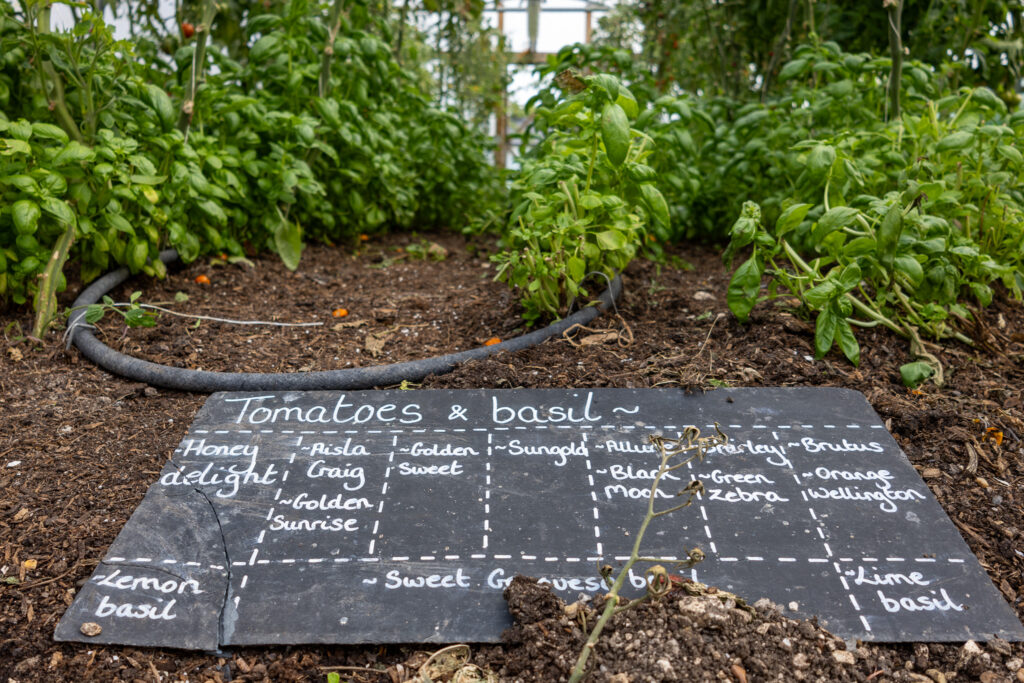
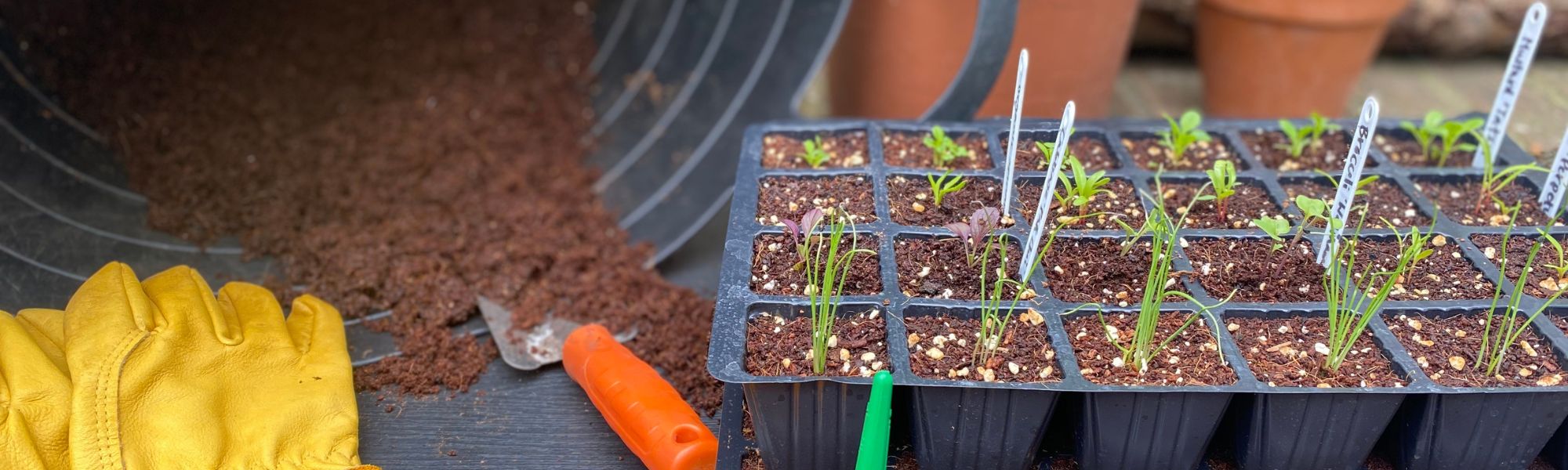
The garden follows a no-dig philosophy: sow, harvest, mulch. This preserves fungal networks, improves soil health, and boosts wildlife.
We strolled past rows of sweetcorn, strawberries, cucamelons (tiny cucumber-lime fruits), Jerusalem artichokes, and flowering nasturtium. Some beds were resting, others experimenting with plants like sea kale, native to Sussex’s chalky coast.
“Healthy soil means healthier food — and more wildlife. The garden is as much about feeding pollinators as feeding guests.” — Josh, Head Gardener
This ethos carries into the kitchen: garlic is cold-smoked in-house, surplus fruit becomes cordials, and every herb and vegetable has a story.
From Garden to Plate
The restaurant has no fixed menu — dishes change daily, driven by what’s harvested.
Fish comes from the south coast, meat from nearby farms, eggs from their hens. Drinks are proudly British: English wines, local juices, and creative cocktails.
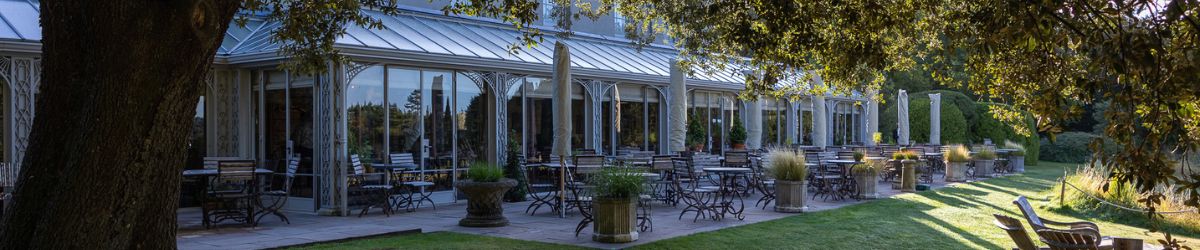
We tried the midweek set lunch (£28.50pp), enjoyed dinner in Arundel, and a generous breakfast (don’t miss the carrot–chia muffin with plant-based options throughout). The bright conservatory restaurant overlooks vineyards (yes, THE PIG grows its own wine), while timeless garden chairs invite true déconnexion.
Why It Matters
For Londoners, THE PIG-in the South Downs isn’t just a weekend escape. It’s proof that hospitality, food systems, and biodiversity can work hand in hand.
While many hotels rely on token “eco” gestures, THE PIG weaves sustainability into its very DNA — from no-dig gardens and pollinator corridors to volunteering and fair-trade sourcing.
As Kate put it: “We’re not perfect, but everyone knows the direction of travel. Our role is to be a force for good — for guests, staff, the community, and the environment. A place to taste, rest, and recharge, leaving the local culture, economy, and nature just a little better than before.”
📍 Getting There
- By train: London Victoria → Arundel (1h30), then a short taxi.
- By car: About 1h45 from central London, along the scenic London Road.
- Arundel itself, with its castle and riverside walks, is worth exploring.
5 Things We Loved at THE PIG-in the South Downs
- The no-dig garden tour — a living lesson in soil and biodiversity.
- Eating plums straight from the tree (sorry Josh & Sandro 🍑).
- The view over the Downs and vineyards.
- The simple comfort of rooms and the sunlit conservatory.
- The sense of community — gardeners, chefs, and staff all part of the sustainability journey.
📸 Photos: The Green Londoner
Enjoyed this read? Subscribe to The Green Londoner and follow us on Instagram & LinkedIn for more slow, green getaways.